Why education

The globaleducation crisis.

Education is the most powerful tool for breaking the cycle of poverty, yet millions of children worldwide are denied this fundamental human right. Every child deserves the opportunity to learn, grow, and build a better future for themselves and their communities.

The barriers
Why childrencan't attend school.

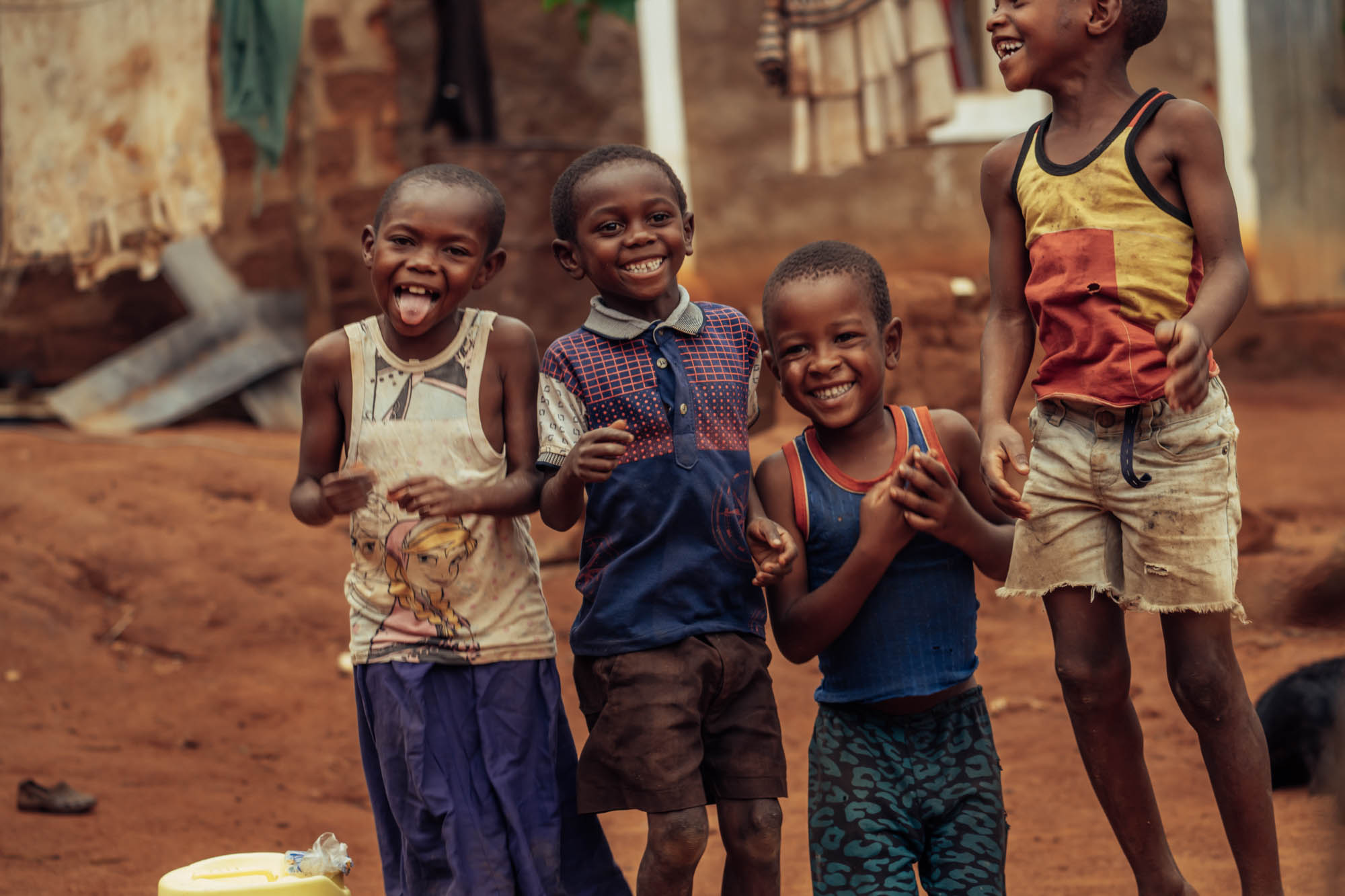
Children in Kenya facing barriers to education

No Uniform = No Entry

In many countries, children are turned away from school simply because they don't have a uniform. It's a small thing that makes a devastating difference. For families living on less than $2 a day, a single school uniform can cost an entire month's income, forcing impossible choices between education and survival.

No Food = No Focus

Children can't learn when they're hungry. Many families can't afford to feed their children, especially during the school day. Without school feeding programs, children must choose between attending classes and finding their next meal. Chronic malnutrition affects cognitive development and can cause permanent learning disabilities.

No Clean Water = No Time to Learn

Without access to clean water, children—especially girls—spend hours each day fetching water, missing school and risking their health. When schools lack proper sanitation facilities, girls often drop out permanently when they reach puberty. Water-related diseases keep children home sick instead of in classrooms.

No School Supplies = No Learning

Notebooks, pencils, textbooks, and other basic supplies are luxuries many families cannot afford. Without these essential tools, children fall behind academically and eventually drop out entirely. The cost of school materials can equal 20% of a poor family's annual income.

No Schools = No Hope

In remote rural areas, there simply aren't enough schools or qualified teachers. Children may have to walk for hours to reach the nearest school, making daily attendance impossible. Many communities have no educational infrastructure at all, leaving entire generations without access to learning.

Child Labor = Lost Childhood

Economic necessity forces 152 million children into labor to help support their families. They work in fields, factories, mines, or as domestic servants instead of attending school. Child labor perpetuates cycles of poverty, as these children grow up without the education needed to escape low-wage work.

Conflict and Crisis = Interrupted Dreams

War, natural disasters, and humanitarian crises destroy schools and displace families. Children in conflict zones are twice as likely to be out of school. Refugee children face additional barriers including language differences, lack of documentation, and discrimination in host communities.

Disability Discrimination = Excluded from Learning

Children with disabilities are often denied access to education due to lack of inclusive facilities, trained teachers, and appropriate learning materials. In some cultures, disability is stigmatized, leading families to hide these children rather than seek educational opportunities.

Students learning and being empowered through education

The cost of inaction

The devastatingimpact.

When children can't access education, the consequences ripple through generations:

  • Economic Impact: Countries lose billions in potential GDP growth when children remain uneducated

  • Health Crisis: Uneducated mothers are more likely to lose children to preventable diseases

  • Social Inequality: Education gaps perpetuate and worsen existing inequalities

  • Lost Innovation: The world loses potential scientists, doctors, teachers, and leaders

  • Cycle of Poverty: Uneducated children become parents who cannot support their own children's education

The transformation

The powerof education.

But when we break down these barriers, education creates powerful positive change:

  • Economic Empowerment: Every year of education increases earnings by 8-0%

  • Health Improvements: Educated mothers reduce child mortality by up to 0%

  • Community Development: Literate communities see faster economic growth and better governance

  • Gender Equality: Education is the most effective way to empower women and girls

  • Peace Building: Education reduces likelihood of conflict and promotes social cohesion
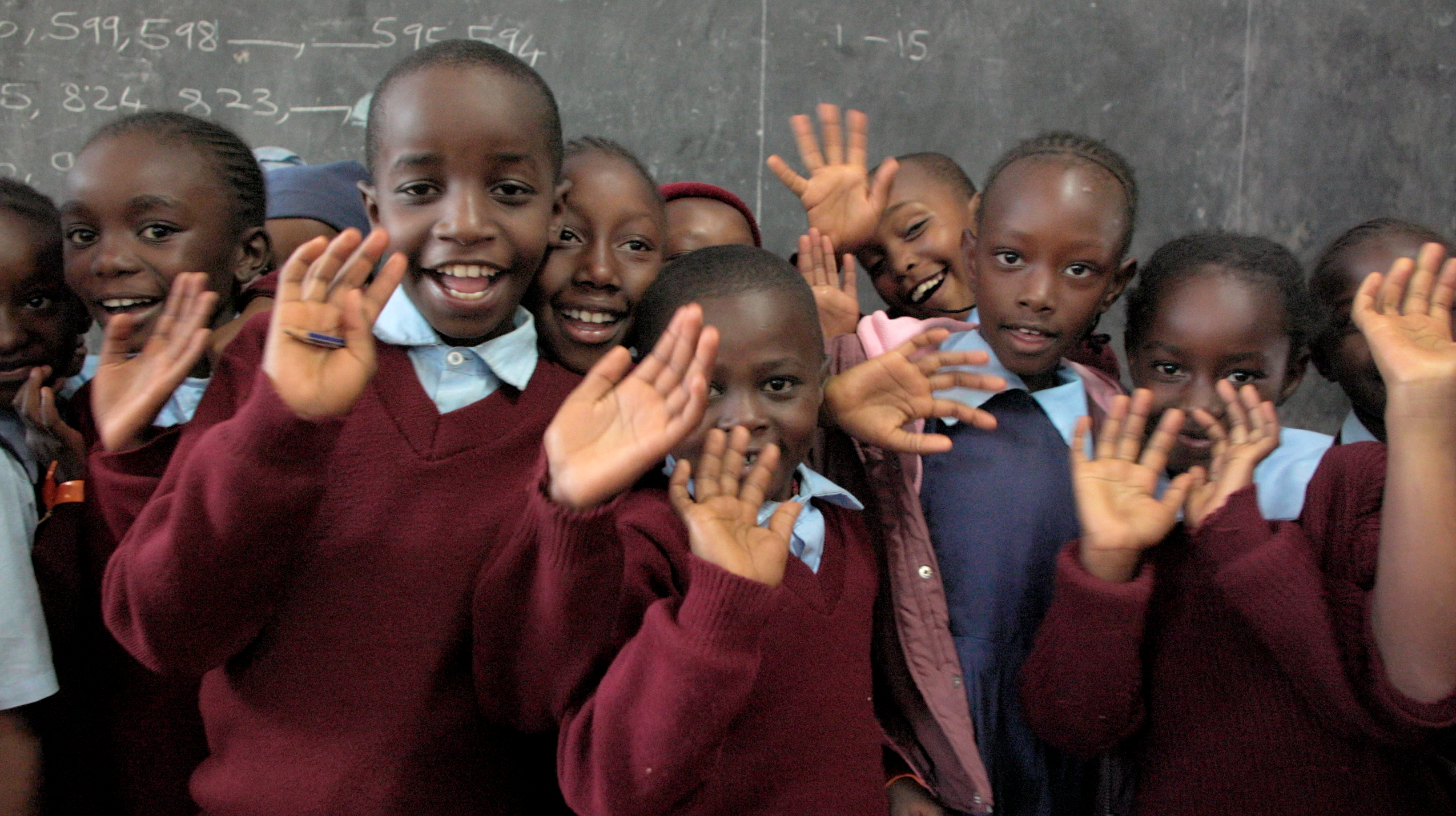
Students learning and being empowered through education

We're hereto change that.

One uniform. One meal. One clean water source. One school supply kit. One trained teacher. One safe school building. One child at a time.

Our comprehensive approach doesn't just address individual needs—we work with entire communities to create sustainable educational ecosystems. We provide immediate relief while building long-term solutions that will serve generations of children.

Donate now